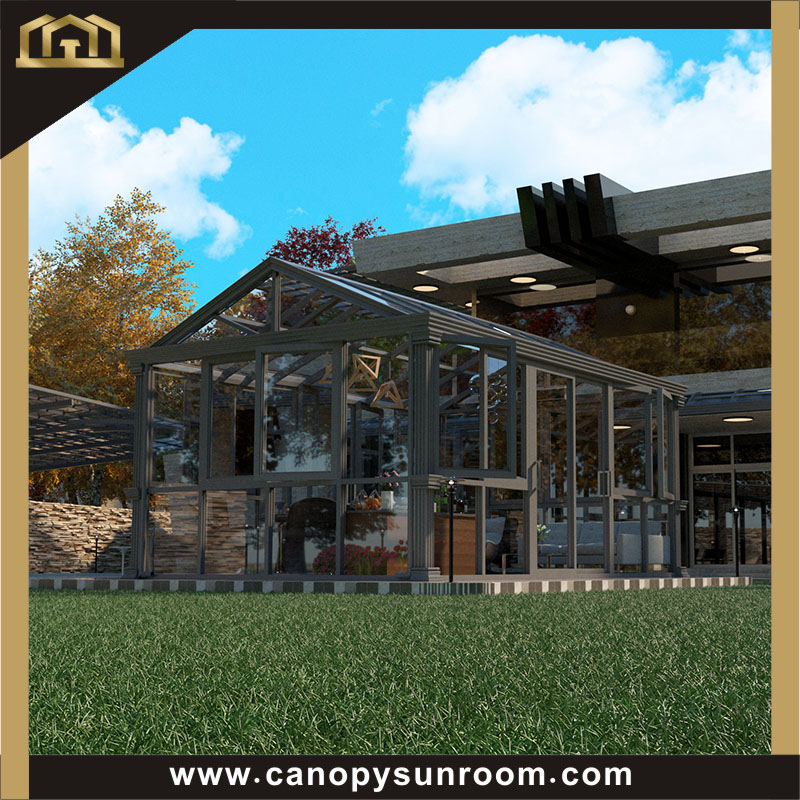
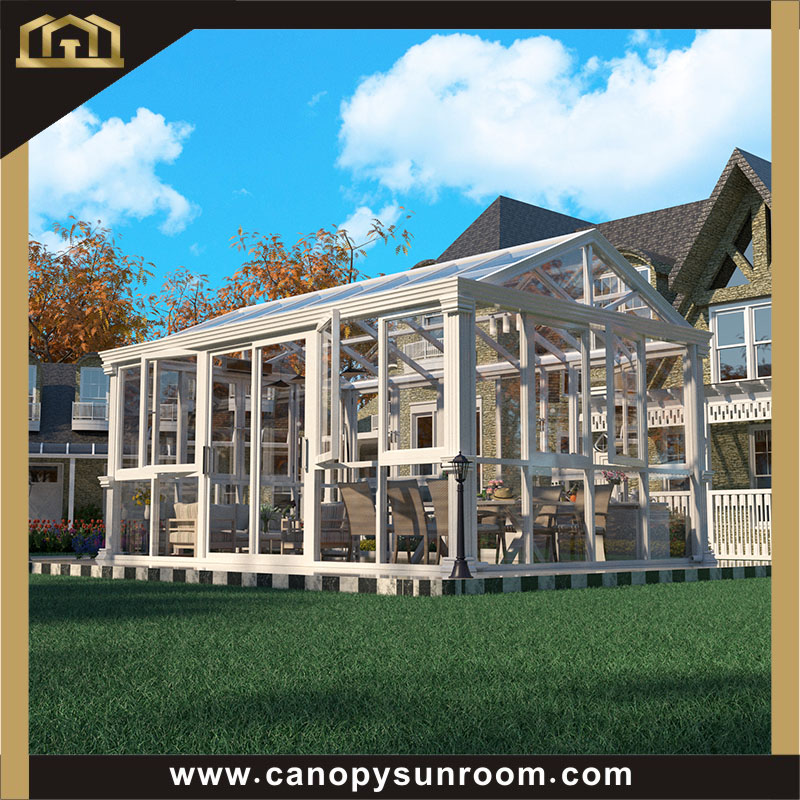
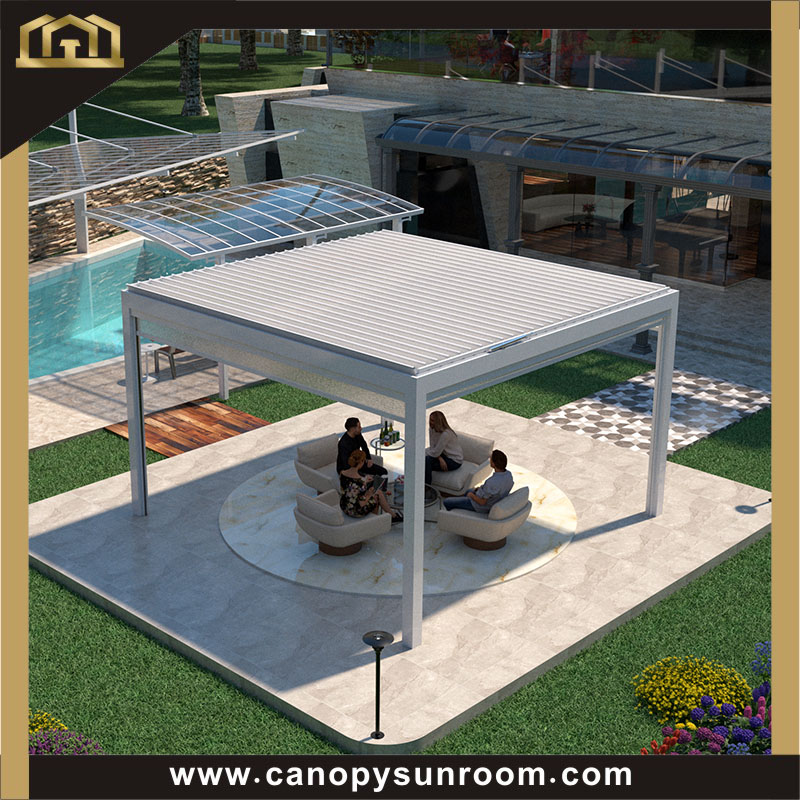
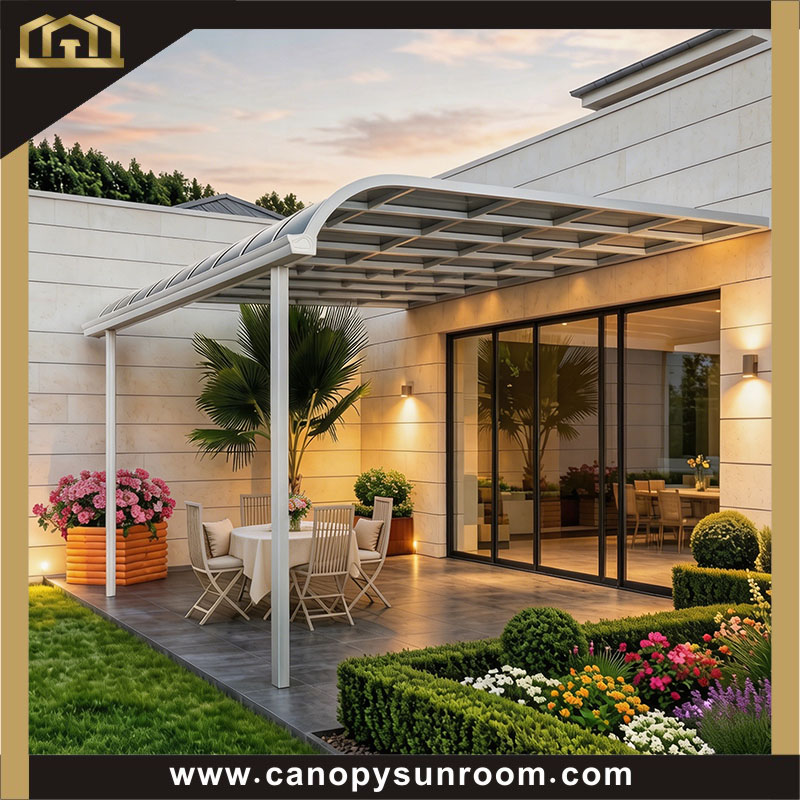
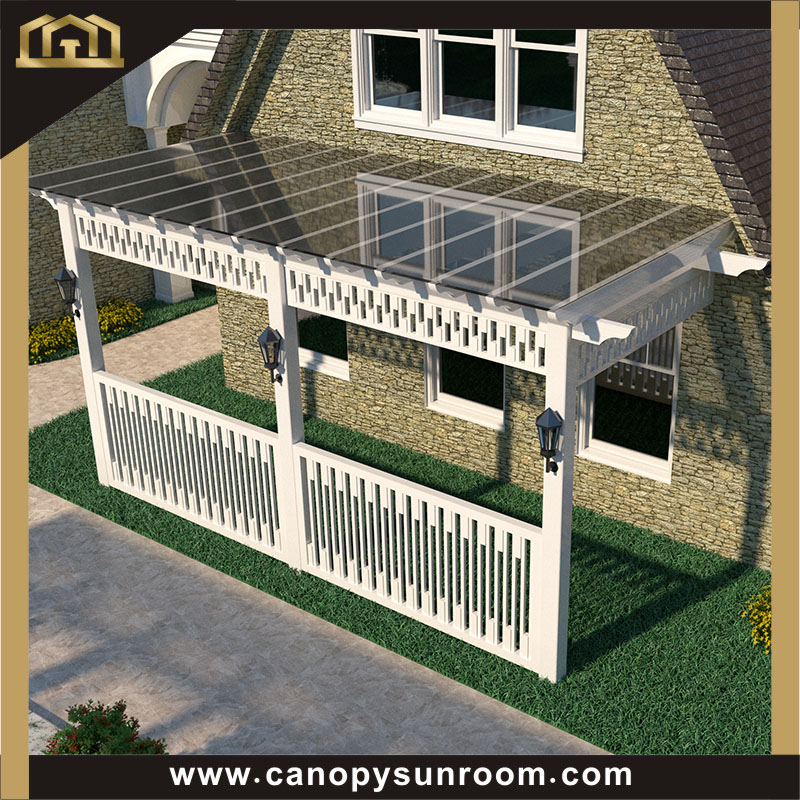
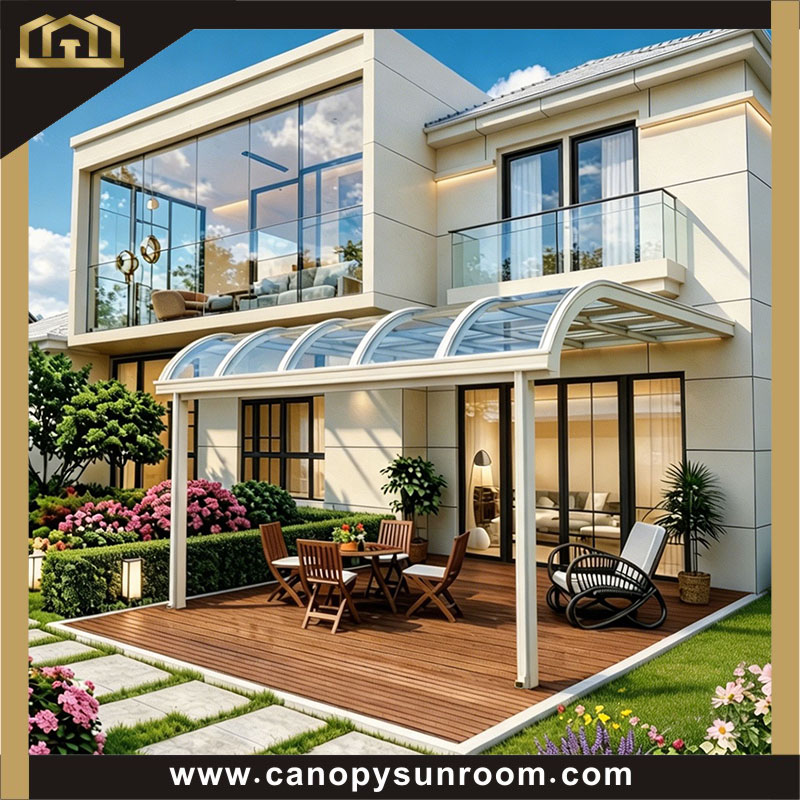
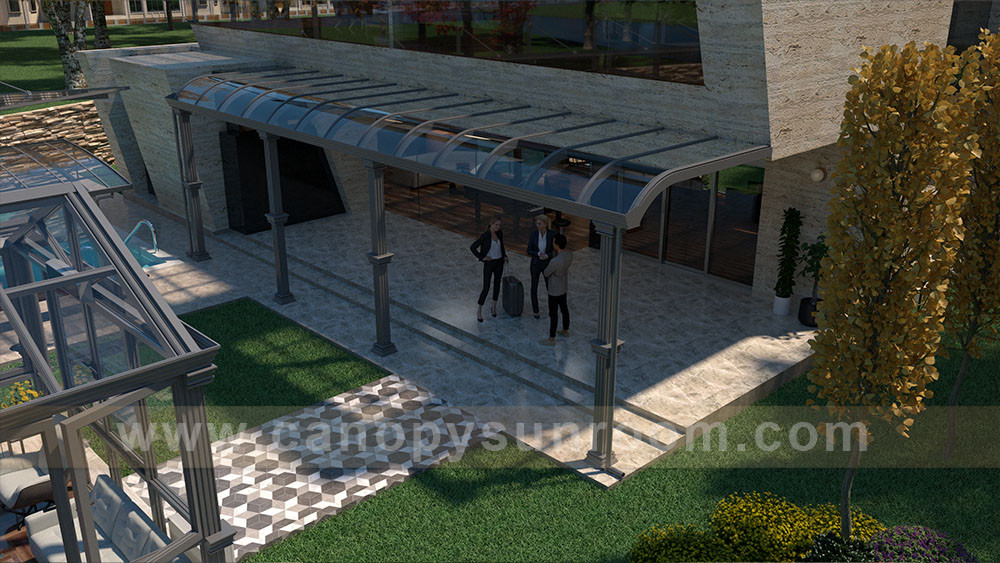
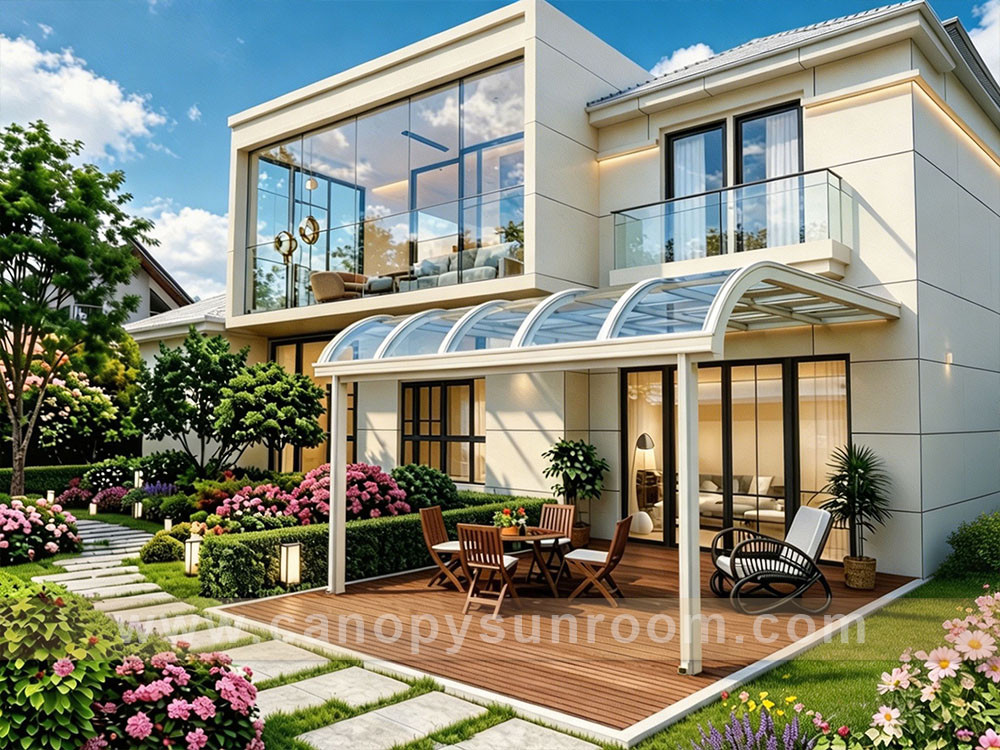
Compared with common canopies, glass canopies stand out for their numerous advantages—including excellent drainage performance—which makes them a popular choice for both residential and commercial building installations. Below are the key advantages of glass canopies, along with tips to optimize their drainage (and extend their lifespan).
Compared with ordinary canopies, glass canopies feature significantly faster installation. Their simplified assembly process reduces on-site construction time and labor costs, minimizing disruption to daily life or building operations.
Glass canopies support partial disassembly and repeated use. Their structural materials are non-polluting, posing no harm to the environment—qualifying them as green building materials that align with eco-conscious construction needs.
Glass canopies inherently possess fireproof properties. Additionally, their supporting structural components (typically metal materials) also meet strict fire protection standards, enhancing overall safety and reducing fire risks in case of emergencies.
Glass canopies are non-polluting and odorless. Unlike materials that require post-installation ventilation, they can be put into use immediately after installation—saving time and ensuring a healthy environment.
Glass canopy frames are equipped with built-in sealing strips, which deliver exceptional sound insulation (blocking external noise effectively) and high sealing performance (preventing rainwater leakage or drafts).
Glass canopies support component replacement and reconfiguration. When disassembling a used glass canopy, damage to materials is minimal—this reduces expenses associated with relocation, renovation, or reinstallation, lowering long-term costs.
To maximize the drainage efficiency of a glass canopy (and thus extend its service life), focus on the installation angle: simply set the glass panels with a proper slope direction. This design ensures rainwater flows smoothly off the canopy, avoiding water accumulation (a major cause of material wear). By optimizing drainage, you can effectively prolong the canopy’s lifespan and maintain its performance.
 About the DIY polycarbonate canopoy & awning