
BLOG
Other Posts
 About the DIY polycarbonate canopoy & awning
- Advantages of Aluminum Alloy Pavilion
- The benefits and advantages of parking carports
- Polycarbonate aluminum carport
- Sunroom Applications, Suitable Environments & Uses
- An introduction to outdoor sunrooms and sun houses
- Overview of Glass Canopies
- Introduction to Aluminum Louvered Pergolas
- The Role of Aluminum Polycarbonate Canopies in Daily Life
- About the outdoor aluminum pergola
- Company Video
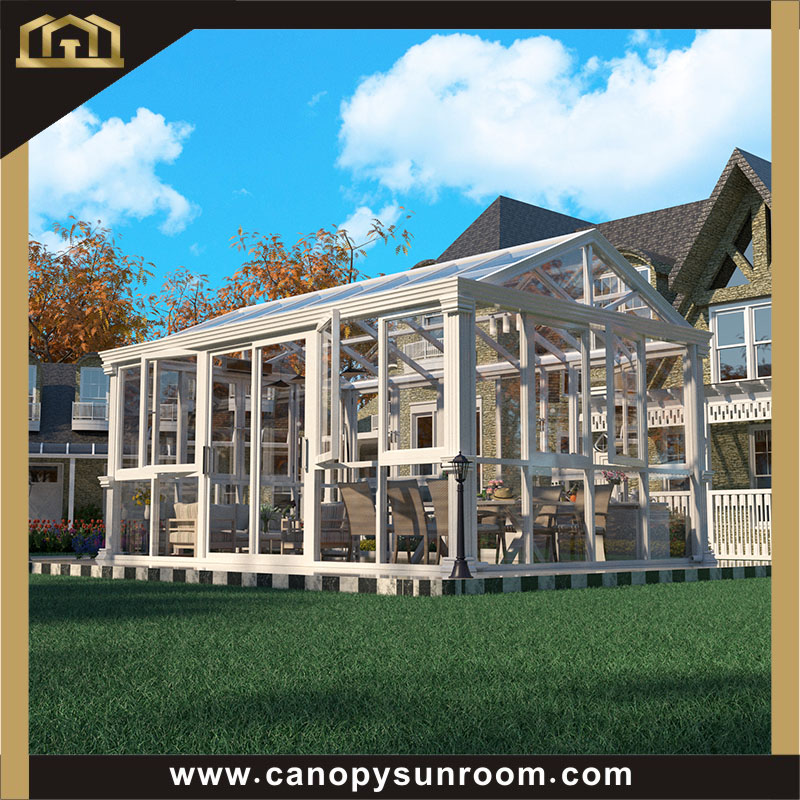
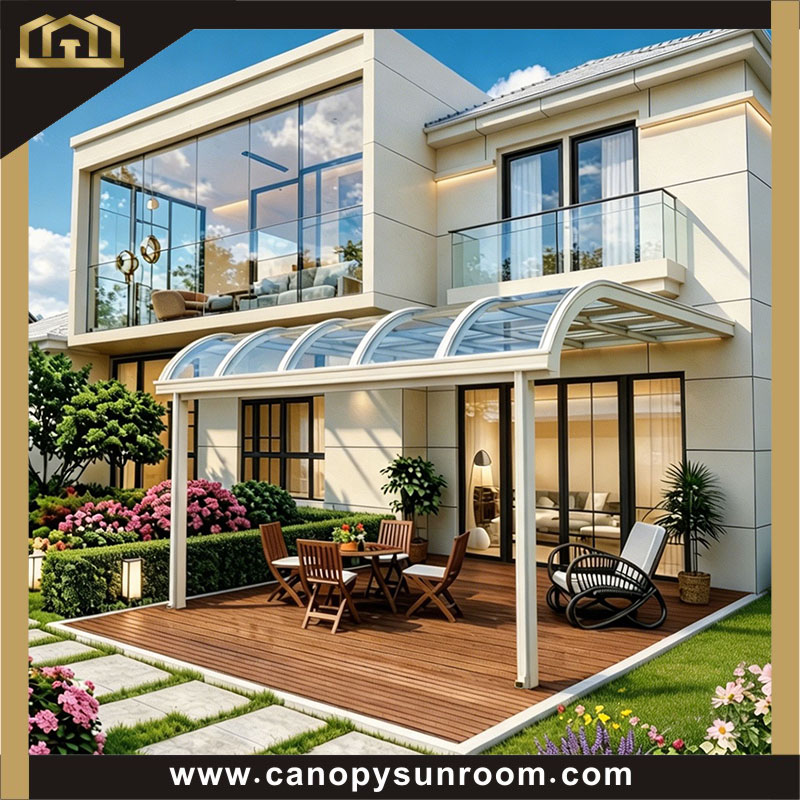
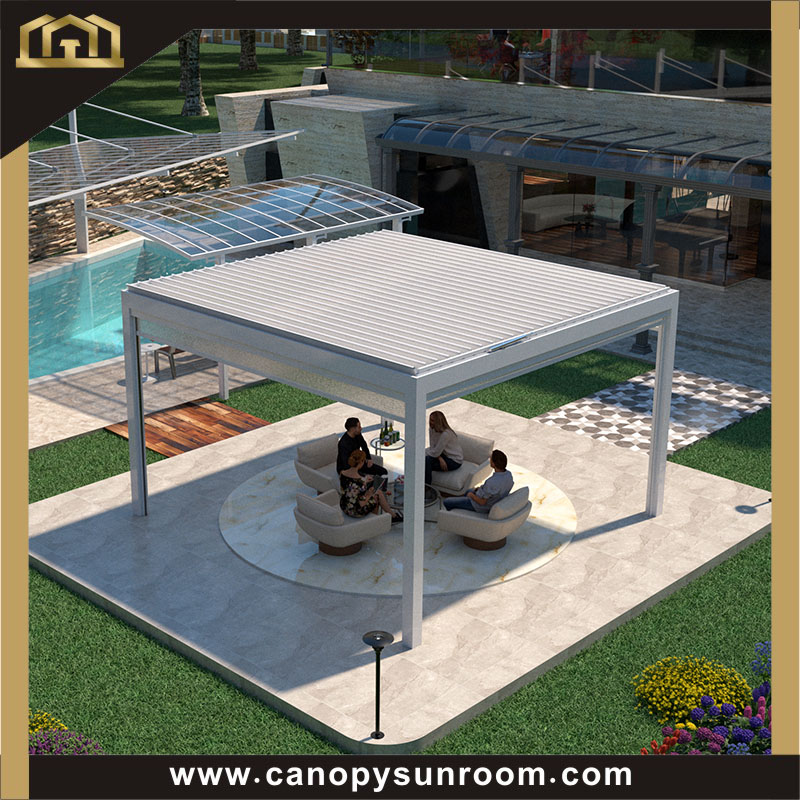
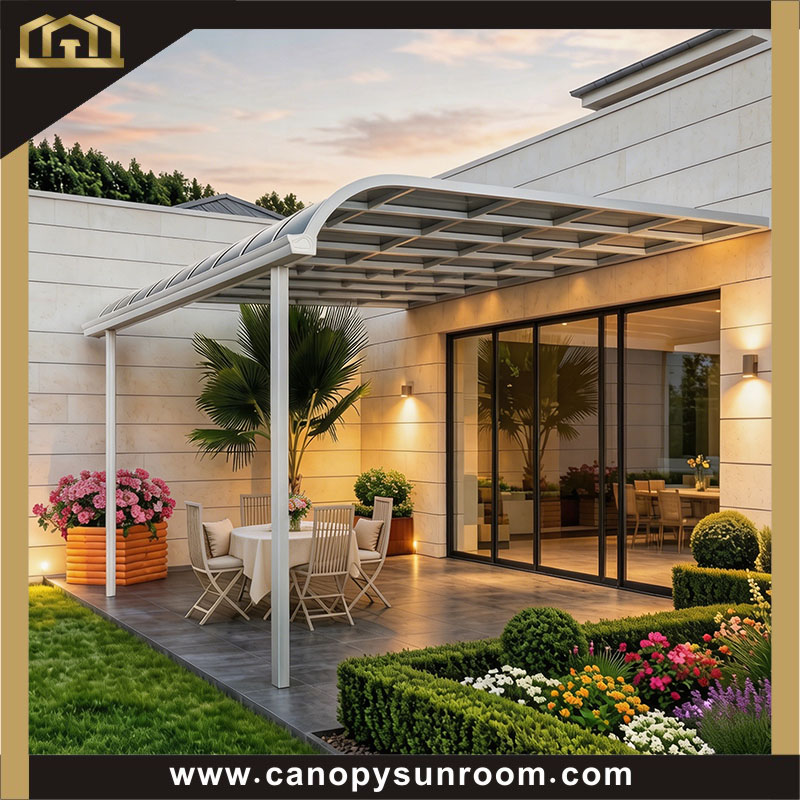

Sunroom Applications, Suitable Environments & Uses
1. Suitable Geographic Areas
Given the vast territory, complex terrain, and diverse climate types of many regions (e.g., China), sunroom design must prioritize thermal adaptation—no single-function sunroom can meet all regional needs. Brands like Green Grid (a sunroom specialist) have developed comprehensive sunroom solutions by leveraging insights into regional geographic features, ensuring adaptability across climates.
Sunrooms are particularly well-suited for:
- Regions with poor air quality.
- Areas with harsh seasonal conditions: spring sandstorms, hot summers, short autumns, and dry-cold winters (e.g., northern China). Even though northern regions receive abundant sunlight, outdoor enjoyment is limited by extreme weather—sunrooms solve this by creating a bright, climate-controlled space where users can enjoy sunlight year-round, regardless of external conditions.
2. Appropriate Construction Environments
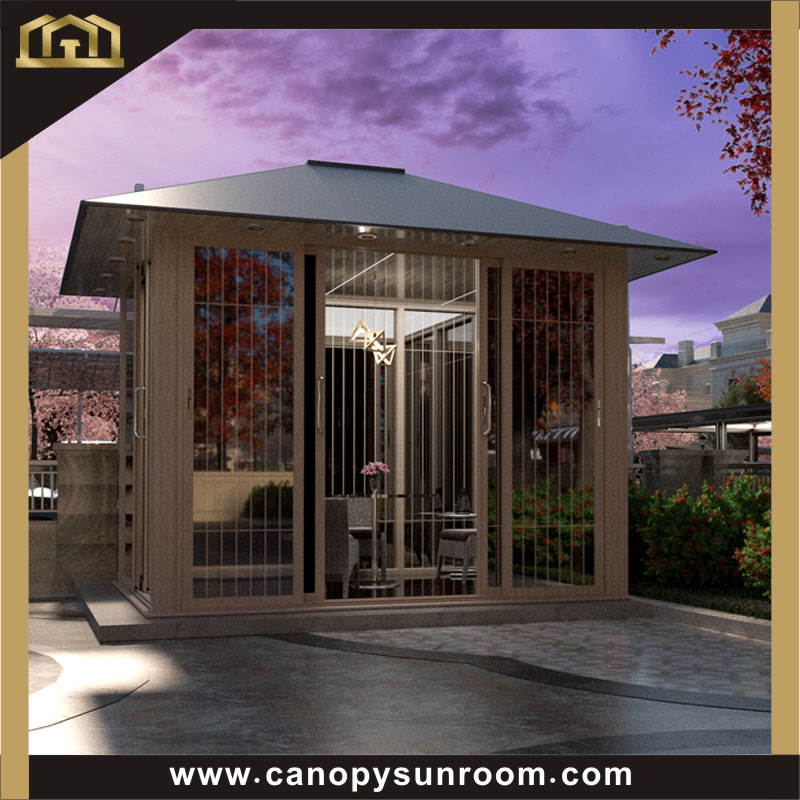
Sunrooms are best built in:
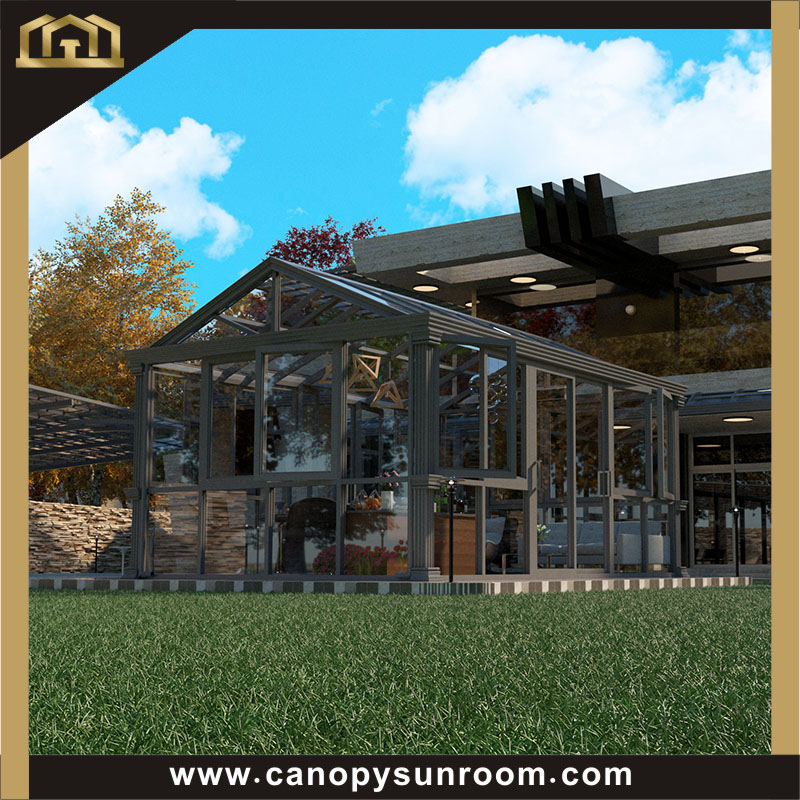
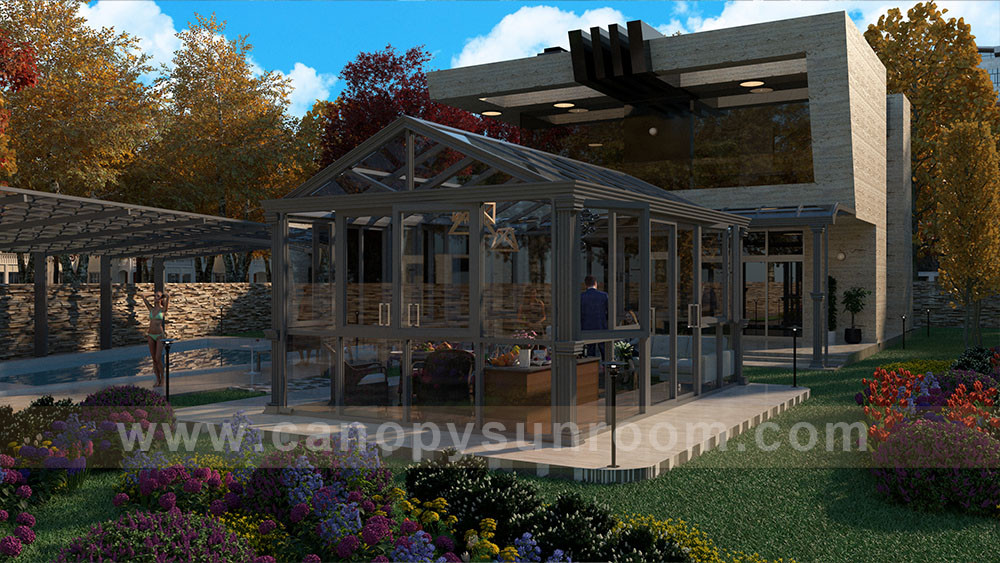
- Residential properties with courtyards (e.g., villas) or buildings with terraces.
- Specific locations: villa gardens, terraces, balconies, patios, or hall extensions.
Note: Construction must first obtain approval or tacit consent from property management to comply with local regulations.
3. Sunroom Usage Scenarios
Sunrooms serve both practical and leisure purposes, including:
- Core living spaces: Additional living rooms, home gyms, entertainment rooms, studies, or dining areas.
- Space expansion: Extending usable living area to make the most of leisure time (e.g., setting up a cozy corner for reading or relaxation).
Specialized functions: A family botanical garden (for growing plants), or a small indoor sports area (e.g., for yoga or table tennis).
Website: www.canopysunroom.com
Leave A Reply